


A caregiver takes care of himself
Arthur Byrd is one of twenty people who regained a home this summer at Four Ten Lofts, a new apartment building in downtown Baltimore.
His sister was with him the day he moved in.
“At some point she said, ‘Put your keys away!’ And I said, ‘I can’t let ‘em go,’” he remembers. “I haven’t had a place of my own for ten years. And that’s a long time not to have your own place.”
Arthur has cultivated a strong community in his life. His grandkids adore him. He’s known his church pastor for nearly 50 years, since they were 12. And over the course of an hour-long conversation, he casually rattles off numerous family, church and community friends who he’ll have over to his new apartment in the coming months.
He has spent years as a live-in caretaker for the people around him.
“I took care of my sister, niece, godmother, mother, godsister’s cousin, my church mother. That was really very rewarding,” Arthur reflects. “But I didn’t know I was neglecting myself because I was taking care of everyone else.”
Last October Arthur lost a close friend for whom he was caring. With her passing, he also lost the roof over his head.
Arthur is not alone in assuming the financial and emotional costs of becoming a full-time voluntary caregiver. Americans, particularly Black and brown neighbors, have come to rely on friends and family in the absence of affordable health care.
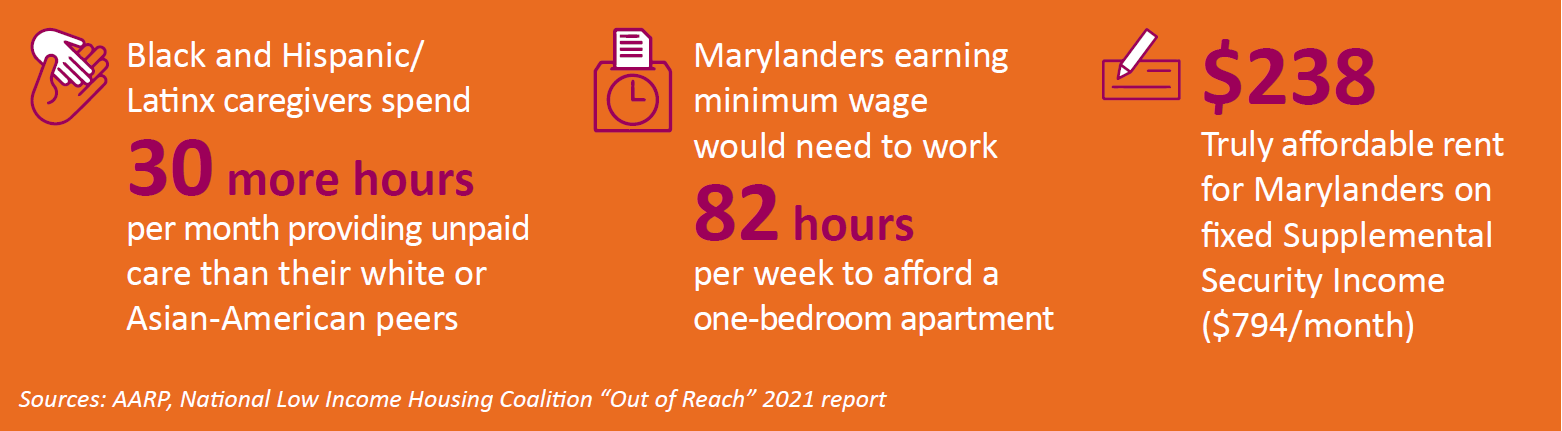
Despite his community and work experience, Arthur couldn’t afford rent anywhere.
His church paid for a hotel. And he soon secured temporary housing at Project PLASE—where he saw a therapist, cooked for residents daily, and built up community.
“I started a garden at Project PLASE in April,” Arthur says. “I started elephant ears from seeds and lilies. Some are three foot tall now. Morning glories are growing up 10 feet of the wall. My godmother taught me how to do that stuff.”
After moving into Four Ten Lofts with the assistance of Health Care for the Homeless supportive housing staff, Arthur is intent on applying his green thumb to the courtyard here, too. There are raised beds for tenant-use and landscaping around the edges ready for fall and winter plantings.
Inside, he’s settling into his apartment: hanging curtains, doing lots of laundry, rearranging the furniture and cooking up healthy stir fries.
“I feel a sense of relief. I find myself relaxing. At 60, I now have a home. Not just a place to lay my head.”
Arthur stays busy helping his church, doing event decorations and is prepping to teach a small sewing class.
Around the same time he moved in, his pastor asked him, “What’s next?”
"I think it’s time for me to go to school and do something for Arthur,” Arthur told him. “For the next 10 years, Arthur’s gonna take care of Arthur.”
Baltimore urgently needs housing that is truly affordable.
Read about our new housing development, Sojourner Place at Oliver, here.
More Recent News
Earlier this year, the Health Resources and Services Administration and the Bureau of Primary Health Care rolled out 2026 Community Health Quality Recognition Badges. Health Care for the Homeless received four badges

We're excited to welcome Kisun Peters as Health Care for the Homeless' new Director of Finance. Kisun brings more than four years of finance leadership experience to this role, along with a commitment to expanding access to health care. Most recently, he served as Director of Finance & Business Development at Tuerk House, a behavioral health nonprofit in Baltimore. Read on to get to know Kisun better (and find out how he spent his summer)!

Spend a day with Patient Navigator Kim Taylor and see how hands-on support helps people experiencing homelessness navigate cancer screenings, treatment and a complex health care system. From coordinating referrals to sitting beside clients during appointments, Kim ensures no one faces a cancer diagnosis alone.

From their headquarters in East Baltimore, Moveable Feast designs and delivers thousands of healthy meals each week for people in Central Maryland and on the Eastern Shore (including some Health Care for the Homeless clients). Read about their approach to improving health through nutrition...